Palmer Station Antarctica LTER
Studying the ecology of the Antarctic Peninsula for over 30 years
The Palmer Long-Term Ecological Research (LTER) study area is located to the west of the Antarctic Peninsula extending South and North of the Palmer Basin from onshore to several hundred kilometers off shore. Palmer Station is one of the three United States research stations located in Antarctica. It is on Anvers Island midway down the Antarctic Peninsula at latitude 64.7 South, longitude 64.0 West.
The Palmer LTER studies a polar marine biome with research focused on the Antarctic pelagic marine ecosystem, including sea ice habitats, regional oceanography and terrestrial nesting sites of seabird predators. The Palmer LTER is one of more than 26 LTER research sites located throughout the United States, Puerto Rico and Tahiti; each focused on a specific ecosystem, that together constitute the LTER Network.
News from Palmer LTER
 https://pallter.marine.rutgers.edu/wp-content/uploads/2024/08/oscar12-scaled.jpg
1920
2560
Sage Lichtenwalner
https://pallter.marine.rutgers.edu/wp-content/uploads/2021/03/pal-site-logo_2_2.png
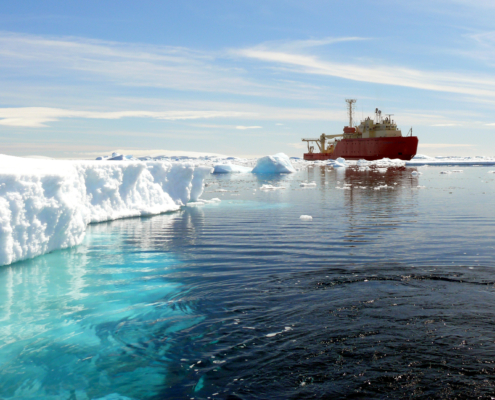
Sage Lichtenwalner2024-08-12 12:00:002024-08-09 22:18:52Farewell R/V Gould
 https://pallter.marine.rutgers.edu/wp-content/uploads/2024/08/Lohmann-Backscatter-Tool-2024.png
1798
2870
Sage Lichtenwalner
https://pallter.marine.rutgers.edu/wp-content/uploads/2021/03/pal-site-logo_2_2.png
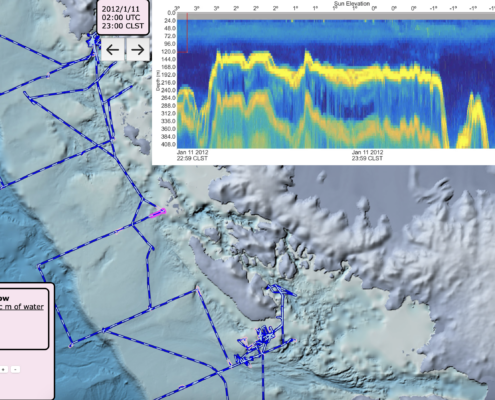
Sage Lichtenwalner2024-08-08 20:57:362024-08-08 20:59:18New ADCP Backscatter Visualization Tool
 https://pallter.marine.rutgers.edu/wp-content/uploads/2024/05/stammerjohn_world_penguin_day_video.jpg
720
1280
Sage Lichtenwalner
https://pallter.marine.rutgers.edu/wp-content/uploads/2021/03/pal-site-logo_2_2.png
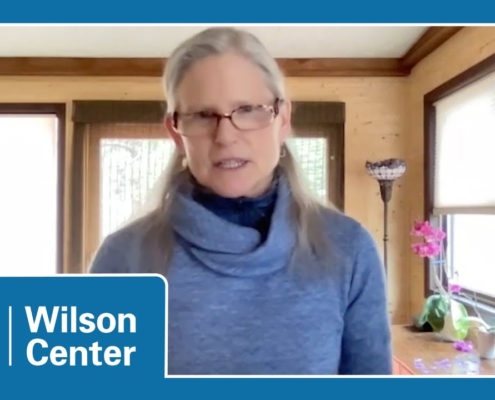
Sage Lichtenwalner2024-05-21 10:58:522024-05-21 11:08:07Melting Point: Where is the Antarctic Sea Ice?
 https://pallter.marine.rutgers.edu/wp-content/uploads/2024/04/Sandpoint-Magazine-2024-p66.png
832
1283
Sage Lichtenwalner
https://pallter.marine.rutgers.edu/wp-content/uploads/2021/03/pal-site-logo_2_2.png
Sage Lichtenwalner2024-05-02 12:00:002024-05-06 11:56:09Unexpected Connection: Palmer researchers featured in Sandpoint Idaho magazine
 https://pallter.marine.rutgers.edu/wp-content/uploads/2021/06/Oscar-Schofield_headshot.png
300
300
Sage Lichtenwalner
https://pallter.marine.rutgers.edu/wp-content/uploads/2021/03/pal-site-logo_2_2.png
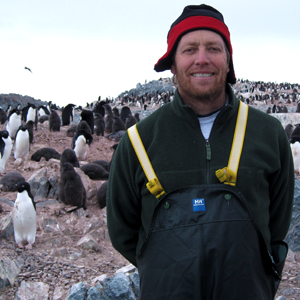
Sage Lichtenwalner2024-04-29 15:08:292024-04-29 15:08:30New paper: Watching the Sunrise on our Ocean Planet
 https://pallter.marine.rutgers.edu/wp-content/uploads/2024/04/Turner2024_fig11.png
395
777
Sage Lichtenwalner
https://pallter.marine.rutgers.edu/wp-content/uploads/2021/03/pal-site-logo_2_2.png
Sage Lichtenwalner2024-04-25 12:00:002024-04-23 16:33:48New paper on changing phytoplankton phenology along the Antarctic Peninsula


 This site was developed with the support of the National Science Foundation under Grant No. OPP-2224611 and OPP-2026045. Any opinions, findings, and conclusions or recommendations expressed in this material are those of the authors and do not necessarily reflect the views of the National Science Foundation.