
Posts
 https://pallter.marine.rutgers.edu/wp-content/uploads/2026/10/Ranger-Rick-Sept-2026.png
900
1600
Sage Lichtenwalner
https://pallter.marine.rutgers.edu/wp-content/uploads/2021/03/pal-site-logo_2_2.png
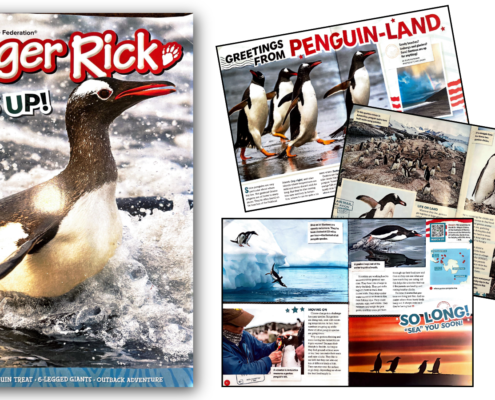
Sage Lichtenwalner2026-10-22 12:47:402026-10-22 12:47:42Ranger Rick features Palmer Gentoos
 https://pallter.marine.rutgers.edu/wp-content/uploads/2025/05/Mya-Maya-2025.jpg
2390
2560
Sage Lichtenwalner
https://pallter.marine.rutgers.edu/wp-content/uploads/2021/03/pal-site-logo_2_2.png
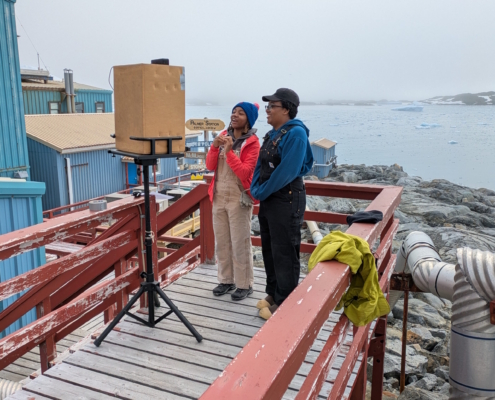
Sage Lichtenwalner2026-09-15 12:00:002026-09-04 17:32:092027 Palmer LTER Video Teleconferences
 https://pallter.marine.rutgers.edu/wp-content/uploads/2026/10/Staffen2025_Figure1.jpg
1070
1500
Sage Lichtenwalner
https://pallter.marine.rutgers.edu/wp-content/uploads/2021/03/pal-site-logo_2_2.png
Sage Lichtenwalner2026-09-01 00:00:002026-10-05 17:00:30Penguins encourage students to learn about the changing climate
 Michael Cappola
https://pallter.marine.rutgers.edu/wp-content/uploads/2026/10/Cappola-Art.png
645
1434
Sage Lichtenwalner
https://pallter.marine.rutgers.edu/wp-content/uploads/2021/03/pal-site-logo_2_2.png
Sage Lichtenwalner2026-07-01 00:00:002026-10-05 16:57:51Why You Never Leave Your Camera Behind
https://pallter.marine.rutgers.edu/wp-content/uploads/2025/05/Mya-Maya-2025.jpg
2390
2560
Sage Lichtenwalner
https://pallter.marine.rutgers.edu/wp-content/uploads/2021/03/pal-site-logo_2_2.png
Sage Lichtenwalner2025-10-31 14:22:542026-09-04 15:19:242026 Palmer LTER Video Teleconferences
 https://pallter.marine.rutgers.edu/wp-content/uploads/2025/10/Drury-Thorp-LinkedIn2.jpeg
800
800
Sage Lichtenwalner
https://pallter.marine.rutgers.edu/wp-content/uploads/2021/03/pal-site-logo_2_2.png
Sage Lichtenwalner2025-10-02 14:47:182026-09-04 10:11:51Palmer LTER Teacher Named as New Jersey Hall of Fame Educator of the Year
 https://pallter.marine.rutgers.edu/wp-content/uploads/2025/01/Mya_and_Maya_2025-scaled.jpg
2390
2560
Sage Lichtenwalner
https://pallter.marine.rutgers.edu/wp-content/uploads/2021/03/pal-site-logo_2_2.png
Sage Lichtenwalner2025-01-24 15:21:432025-01-24 15:57:53Palmer Station Live Calls to Classrooms Kickoff for 2025
 This site was developed with the support of the National Science Foundation under Grant No. OPP-2224611 and OPP-2026045. Any opinions, findings, and conclusions or recommendations expressed in this material are those of the authors and do not necessarily reflect the views of the National Science Foundation.